
The plain-food answer to “Vegetarian? Then where’s your protein?”
40 Indian recipes where every breakfast, lunch and dinner gives at least 20 g of protein, plus a 28-day plan that adds up to 81–96 g a day. Made from dal, paneer, curd, chana, soya and tofu. No powders, no meat, no guesswork.
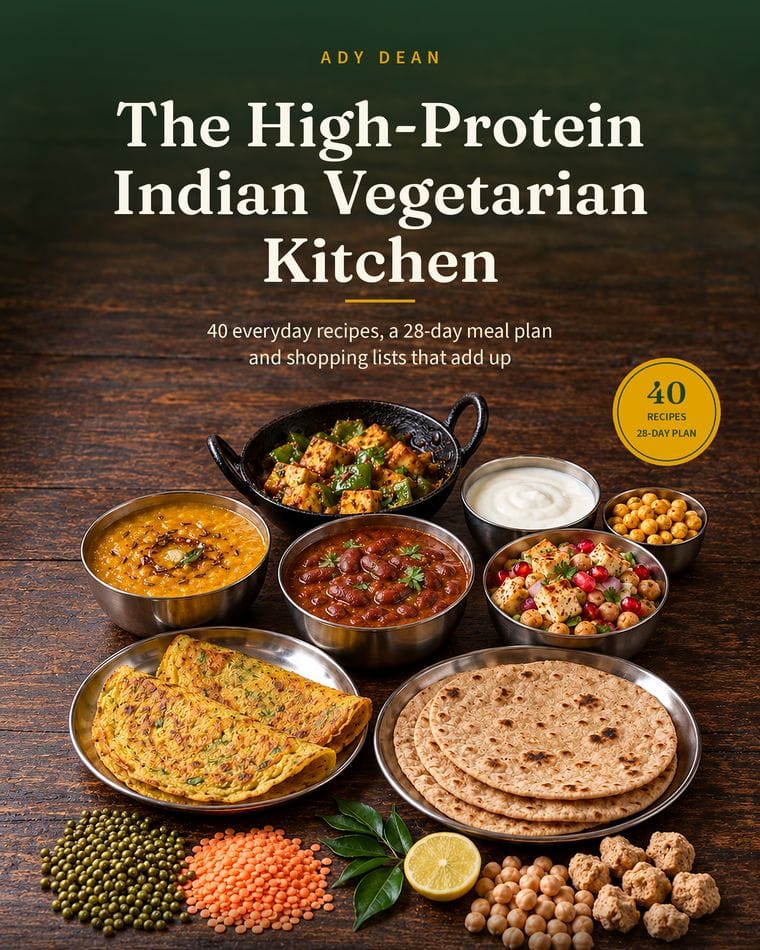
You eat a full Indian thali. You feel full. But you have no idea if you ate enough protein.
Every vegetarian in India has heard it, at family functions, at the gym and from the uncle with opinions: “Real protein only comes from meat.” So you try to fix it, and usually end up with one of these:
- The extra bowl of dal, without knowing how much protein it really adds.
- A tub of protein powder you didn't want, bought because no one showed you a food-first way.
- Paneer every single day until the family revolts.
- Western “high-protein” recipes built on eggs, chicken or ingredients your local grocery store doesn't stock.
- Apps that want you to log every roti, which you quit by day four.
The 20-Gram Plate
- Every breakfast, lunch & dinner≥ 20 g protein
- Every snack≥ 8 g protein
- Counted as a complete mealwith roti, rice or curd
- A typical plan day (with snack)81–96 g
Stop guessing. Build the plate once, then repeat it.
Every recipe in this book was built around one simple rule: a main meal has to give you at least 20 grams of protein as a full plate, not as a single ingredient. That means the roti, rice or curd you actually eat with it is counted too.
- Weighed, not “a handful”. Quantities are in grams, so the numbers on the page match the food on your plate.
- Calculated from Indian data. Protein and energy are worked out mainly from the Indian Food Composition Tables (IFCT 2017) and real product labels, so the numbers fit Indian ingredients.
- Planned for you. 28 days of breakfasts, lunches, dinners and snacks, already worked out, with daily totals.
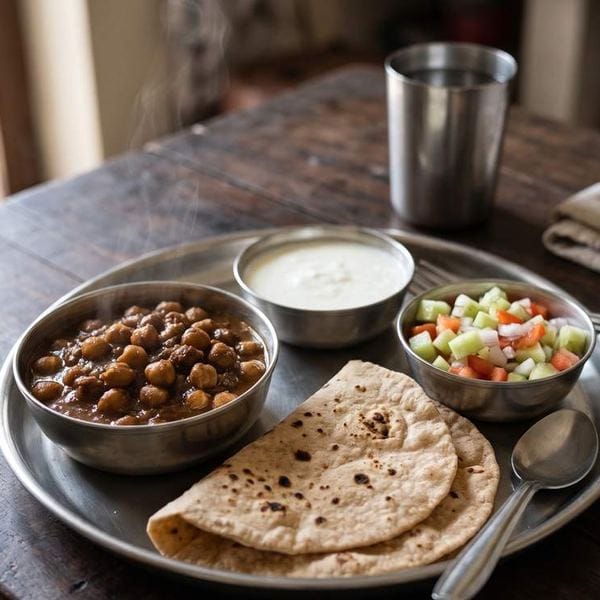
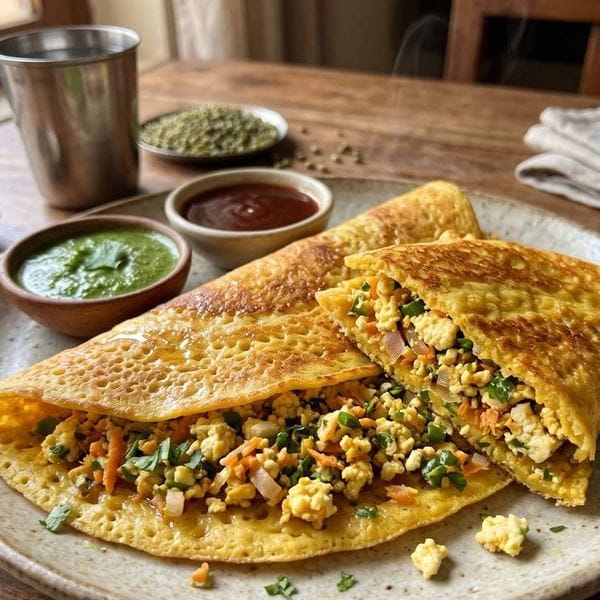
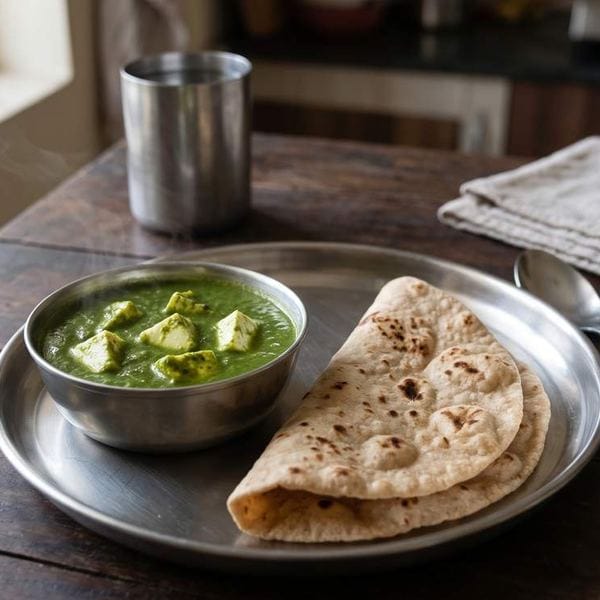
Food photos are AI-generated illustrations of the book's recipes.
Everything you need to eat more protein from next Monday
Protein-first Indian recipes
Breakfasts, lunches, dinners and snacks from kitchens across India: moong chilla and rajma rice, pesarattu, adai, sambar rice, paniyaram, matki usal and more.
Day meal plan
Four weeks of meals already planned, with protein and energy totals for every day. No daily decisions.
Weekly shopping lists
Everything to buy for two adults, each week, with dated rupee prices so you know the cost before you shop.
Kinds of calculated swaps
Dairy-free, soy-free, chickpea-free and wheat-free options, with the protein recalculated, not guessed.
Batch-cooking & prep plans
Cook once, eat for days, with safe storage guidance so weekday meals take minutes.
Protein cost table
See which everyday ingredients give you the most protein per rupee, from soya chunks to tofu to kabuli chana.
See the real pages before you buy
These are actual pages from the 196-page PDF. Tap any page to see it full size.
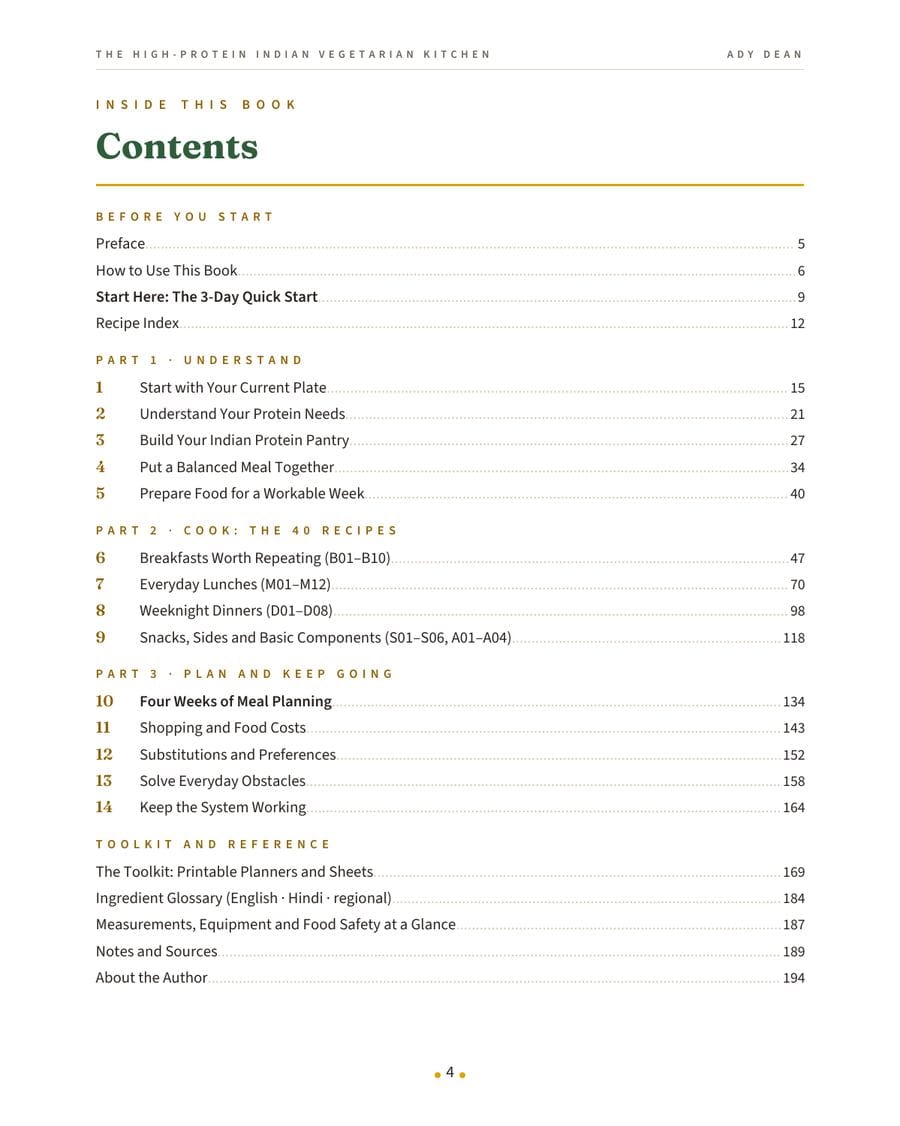 ContentsFour parts: understand, cook, plan, and a printable toolkit
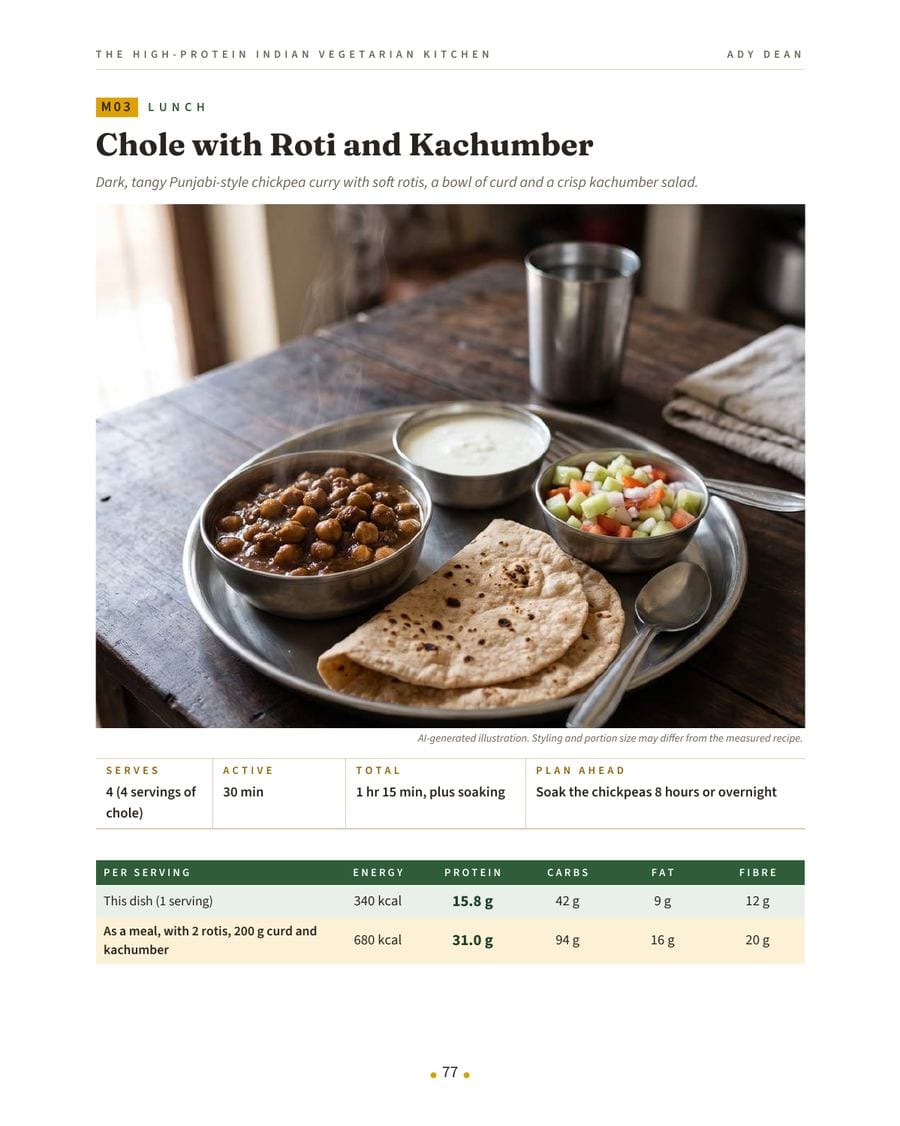 Recipe openerEvery recipe opens with a photo and its plate totals
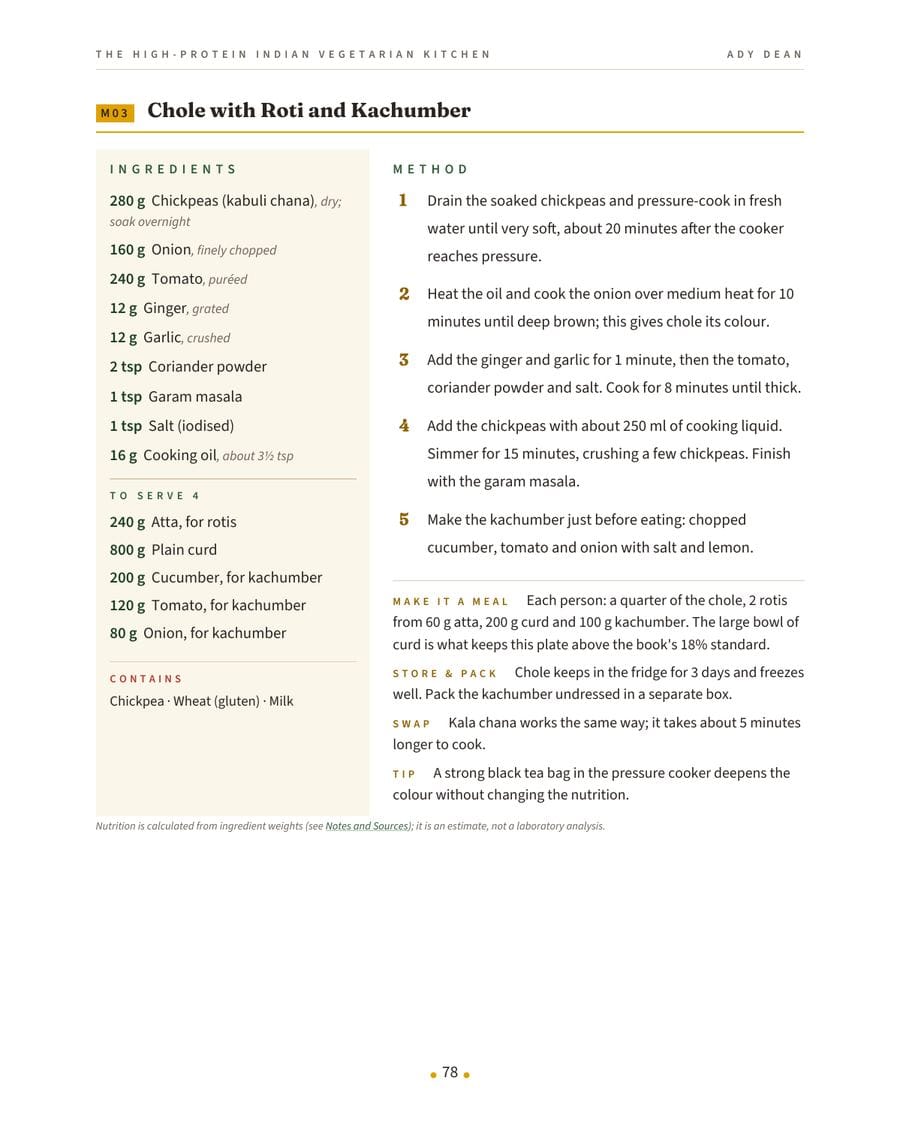 Recipe pageIngredients in grams, numbered steps, prep and swap notes
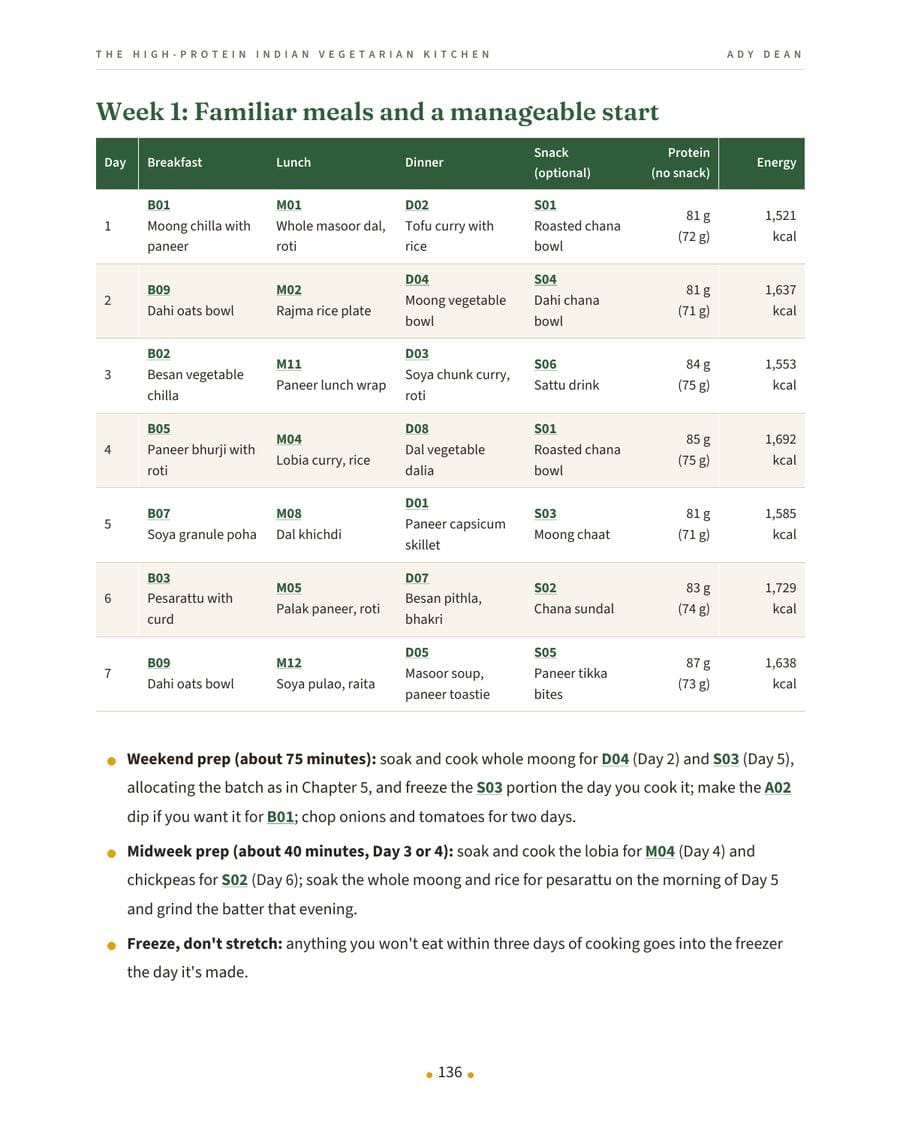 28-day planWeek 1 at a glance, with daily protein and energy
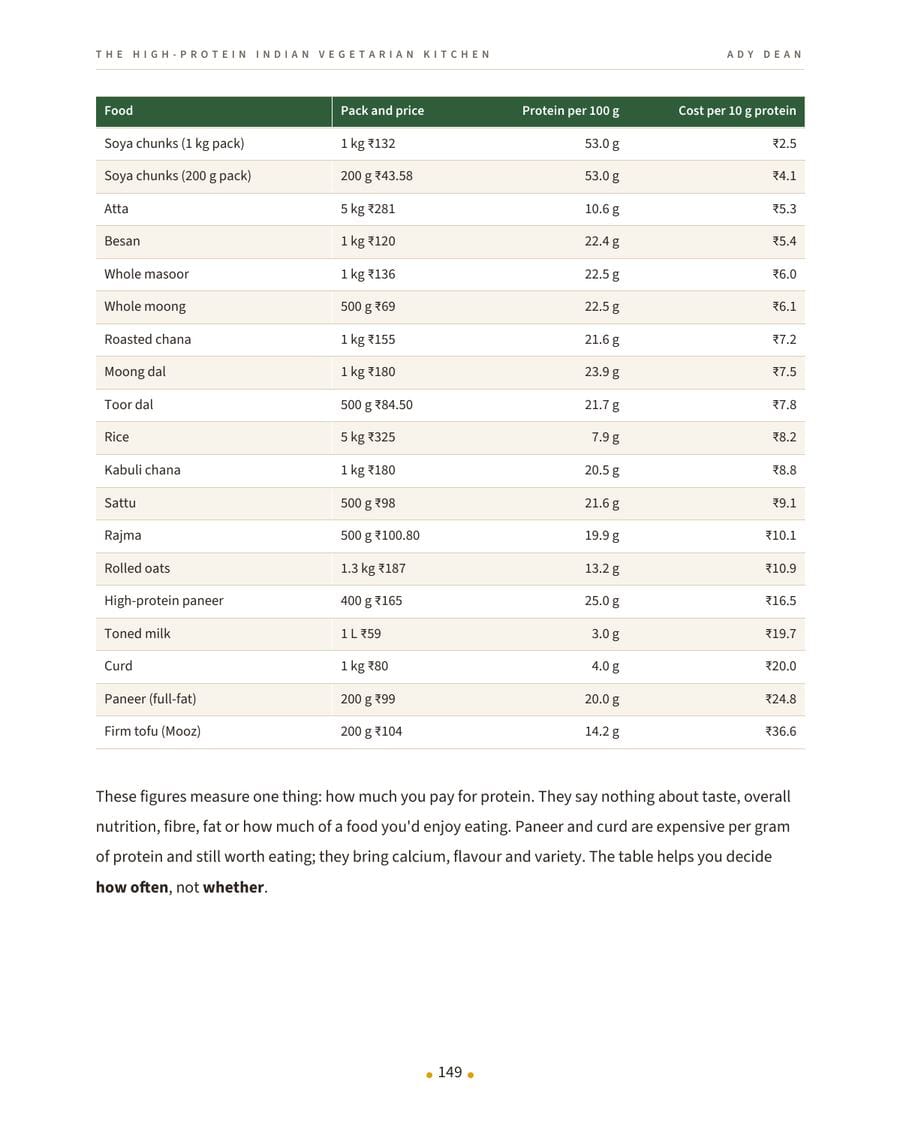 Protein cost tableRupees per 10 g of protein, food by food
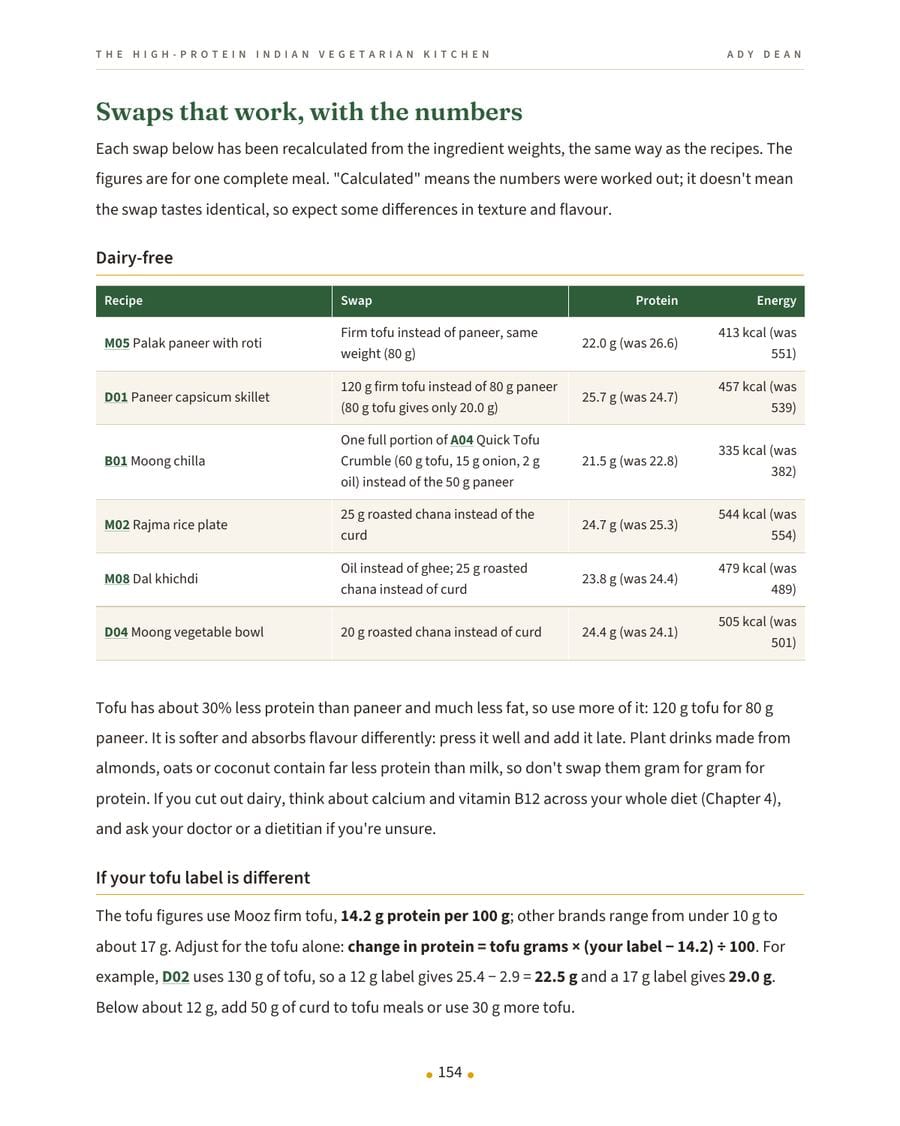 Calculated swapsDairy-free, soy-free and more, with the numbers redone
Swipe to see more pages →
Every recipe tells you exactly what you're getting
- Protein and energy for the complete plate, including the roti, rice or curd
- Ingredients weighed in grams, with familiar Hindi dish names
- Calculated swaps if you skip dairy, soy, chickpeas or wheat
- Cooking times written for a standard stovetop pressure cooker
- Numbers worked out from published food tables (mainly IFCT 2017) and product labels
Built for the way Indian vegetarians actually live
You train and you're vegetarian
Your trainer says “eat more protein” and then suggests chicken. This gives you real numbers from your own kitchen, so you can hit your target without arguments.
You cook for the family
One pot for everyone. These are dishes the whole table already recognises, so no one has to eat “diet food” and you don't have to cook twice.
You're busy on weekdays
Weekly shopping lists and batch-cook plans do the thinking on Sunday, so Tuesday dinner is reheat-and-eat, not order-in.
This book is not for you if…
- you want a quick-fix diet or a promise of fast results (we don't make those promises)
- you need a medical or therapeutic diet. Please see your doctor or a registered dietitian.
- you want meat or fish recipes. Everything here is vegetarian.
Four weeks. Zero “what do I cook today?”
Every day is already planned: breakfast, lunch, dinner and a snack, with daily protein and energy totals. Follow it exactly, or use it as a menu to pick from.
Breakfast, lunch, dinner and a snack, already chosen for you.
Protein and energy added up for each day, so you know where you stand.
One shopping list for two adults, with dated rupee prices.
Batch-cooking and prep plans so weekday meals come together quickly.
Researched line by line. Not churned out.
The internet is full of quick recipe lists that no one checked. This isn't one of them. Every figure in this book can be traced to a source, and every recipe went through rounds of review before it reached you.
Every number has a source
Protein and energy come from the Indian Food Composition Tables (IFCT 2017), USDA FoodData Central where IFCT has a gap, and the actual nutrition labels on the tofu and soya packs sold in India.
Audited twice, then reviewed again
Every recipe's numbers went through two separate audits and an external review. Each mistake found was corrected and re-checked before publishing.
Food safety, not just flavour
Cooking steps follow published guidance, such as boiling rajma for at least 30 minutes and eating cooked rice within 24 hours.
Dated, so you know it's current
Shopping-list prices and product details carry the date they were checked, so you always know how fresh the information is.

Ady Dean
Ady Dean is an author and product and delivery professional. His own health journey, alongside a demanding career, taught him the value of consistent habits and familiar, well-planned Indian meals. This book comes from that experience, not from a template.
A lover of nutritious Indian food, Ady finds comfort in a bowl of dal, fresh rotis, paneer and curd. This book grew from that: making protein-conscious eating easy with ingredients you already know, while you keep enjoying the food you love.
Less than the price of one restaurant paneer starter
- 📗 The High-Protein Indian Vegetarian Kitchen (196-page PDF)Included
- 🍛 40 recipes, each main meal ≥ 20 g proteinIncluded
- 📅 28-day meal plan with daily totalsIncluded
- 🛒 4 weekly shopping lists with rupee pricesIncluded
- 🔁 Dairy-, soy-, chickpea- and wheat-free swapsIncluded
- 🥡 Batch-cooking & prep plansIncluded
Secure checkout by Razorpay · PDF emailed within minutes
PROMISE
If your PDF doesn't arrive or won't open, email adydean@ebookhut.com. We'll fix it fast, or refund you in full. Details in our refund policy.
Questions, answered
Is this a printed book?
No. It's a 196-page PDF ebook. You'll get it by email a few minutes after payment, and you can read it on your phone, tablet or laptop, or print the pages you need.
Do I need protein powder or supplements?
No. Every recipe uses everyday foods: dal, beans, chana, paneer, curd, soya, tofu, besan and sattu.
Are the ingredients easy to find in India?
Yes. The recipes are built around what a normal Indian kitchen and local market stock. The shopping lists use dated rupee prices.
I don't eat dairy, soy, chickpeas or wheat. Will it work for me?
The book includes calculated swaps for dairy-free, soy-free, chickpea-free and wheat-free cooking, with the protein recalculated for the swap.
Do I need a kitchen scale?
Recipes are written in grams so the numbers are accurate. A basic kitchen scale makes this easy. Cooking times assume a standard 3–5 litre stovetop pressure cooker.
Is this a weight-loss or medical diet?
No. It's a cookbook and meal plan to help you include more protein in everyday vegetarian meals. It's general information, not medical advice. If you have a medical condition, are pregnant or take regular medicines, check with your doctor before changing your diet.
What if I don't receive the email?
Check your Promotions and Spam folders for an email from adydean@ebookhut.com. If it isn't there within 15 minutes, email us with your order details and we'll resend it.
The next time someone asks “Vegetarian? Then where’s your protein?”, you won't need to argue. You'll know the number on your plate.
— Ady Dean
P.S. The book costs ₹299 at launch, less than one restaurant starter, and it covers 28 days of planned meals. It arrives in your inbox in minutes, so you can make your first 20-gram breakfast tomorrow morning.
UPI, cards & netbanking · Instant email delivery
General information about food and cooking, not medical advice. Individual protein and energy needs vary. If you have a medical condition, are pregnant or take regular medicines, ask your doctor before changing your diet. Nutrition values are calculated from published food-composition tables and product labels. Food photos are AI-generated illustrations.
This site is not part of the Facebook website or Meta Platforms, Inc., and is not endorsed by Meta in any way.
© 2026 EBOOKHUT.COM · www.ebookhut.com · adydean@ebookhut.com
196-page PDF · instant email